Fractional CTO
for startups.
Senior technology leadership, part-time, for the startups it actually fits. Here's who gets real value from a fractional CTO, who doesn't, and how to tell which you are.
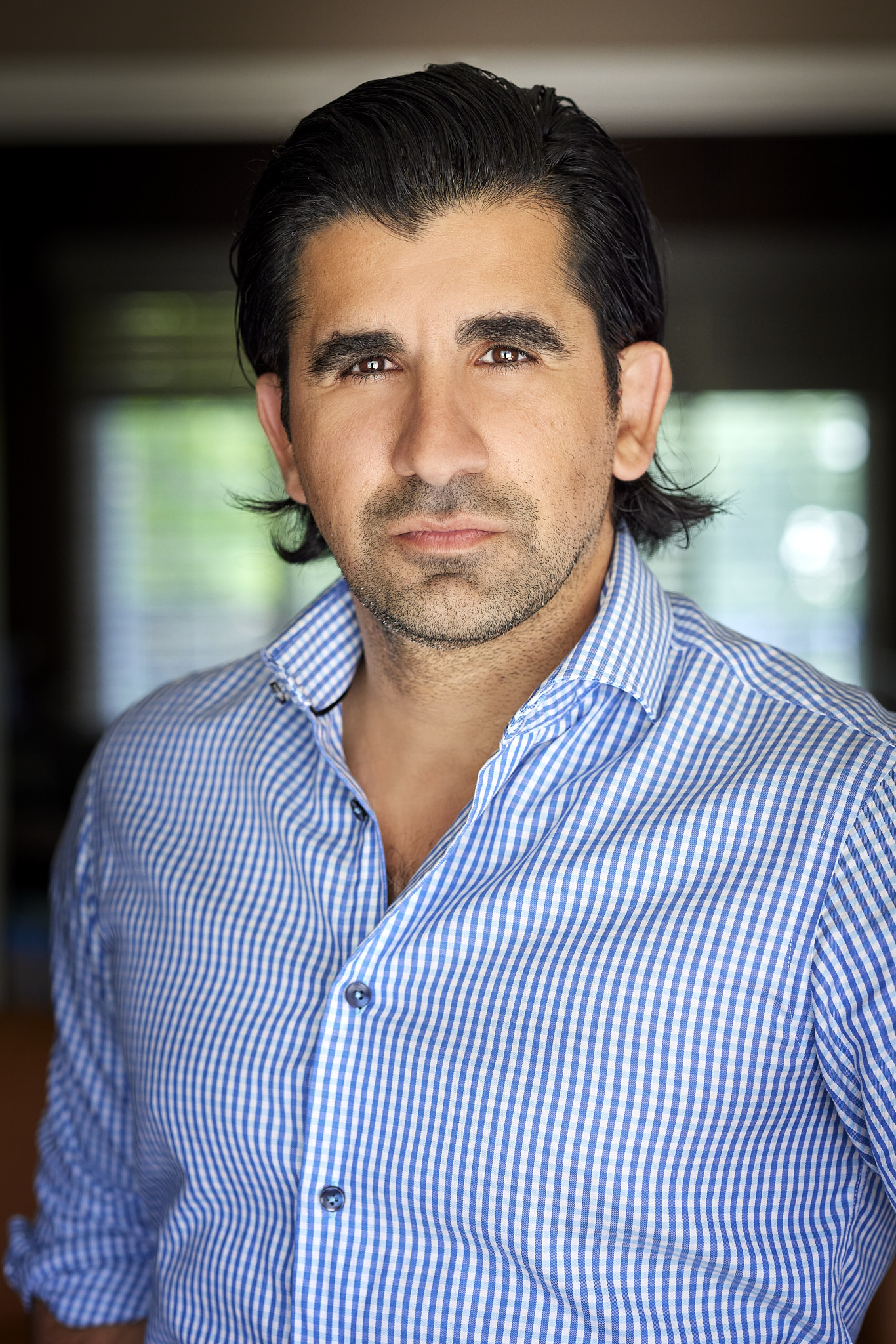
The right startups get enormous value.
A fractional CTO for startups gives you an experienced technology executive part-time: someone who sets the architecture, hires the engineers, and makes the expensive calls at a stage where a full-time CTO is more commitment than the company needs. I've done the job for 30+ companies since 2018, at one point directing 12 engineering teams across 7 countries, and I explain the role in plain English in the fractional CTO guide.
But it is not for every startup, and pretending otherwise wastes everyone's runway. The fit comes down to your stage, your funding, and what you're actually asking the role to do.
Related searches: startup CTO, part-time CTO for startups, startup CTO as a service, outsourced CTO for startups.
The sweet spot is specific.
Two kinds of company get real leverage from this.
Funded Series A scale-ups
The sweet spot. You've raised, the product works, and now you need a real AI-native engineering and product organization: architecture, hiring, process, delivery. A fractional CTO builds it without the six-month executive search.
SMB operators
Established businesses that need senior technology judgment, a re-platform, an AI roadmap, a team that has stopped scaling, without putting a full-time executive on payroll.
Companies bridging to the permanent hire
You'll eventually need a full-time CTO. A fractional CTO builds the org properly first, then helps define and hire the person who inherits it.
An honest no.
If you're a non-technical solo founder with a no-code prototype and no funding, hoping a fractional CTO will finish the product cheaply: I'm not your answer, and neither is anyone honest. At that stage you need a technical co-founder or a small development shop, not a part-time executive. Hiring senior leadership before there's an organization to lead just burns runway.
Not sure which side of the line you're on? I've written about the seven signs you actually need a fractional CTO and what kind of CTO each stage needs. If neither describes you, keep your money.
What a startup actually gets.
Architecture that survives growth
A system designed for the next order of magnitude of users, data and team size, not just the demo that raised the round.
The team, hired and led
Org design, engineering and product hiring, and the culture and process that make the people you hire effective.
The expensive calls
Build-vs-buy, vendors, platforms, security. The decisions that cost the most to get wrong, made by someone who has made them before.
An AI-native operating model
The product built and the team run with AI as the default, from the SDLC to operations. The compounding edge for a young company.
Credibility for the raise
When you're raising or selling, someone senior who can stand behind the architecture in front of investors and diligence teams.
Published pricing
No discovery-call theater. My tiers are public, in USD, so you can self-qualify before we ever talk.
When to wait, when to move.
Timing matters more than enthusiasm. Here's the honest split.
You're not there yet
- , No funding and no revenue to pay for senior time
- , A prototype that needs builders, not an executive
- , A couple of engineers and no scaling pain yet
- , No raise, compliance push or architecture deadline in sight
The signs are showing
- →Funded, and the team has stopped scaling
- →Technical debt is slowing every release
- →A raise, a sale or an enterprise deal needs technical credibility
- →You're building an AI-native org and nobody senior owns it
Straight answers, up front.
Does my startup need a fractional CTO?
If you're funded and building a real engineering and product organization, probably yes: you need architecture, hiring and delivery decisions made by someone senior, and you don't yet need that person full-time. If you're pre-funding with a prototype and no team, you need builders first. A fractional CTO is leverage on an organization, not a substitute for one.
What does a fractional CTO cost a startup?
My pricing is published, in USD: advisory at $10,000 a month (about a day a week), the full fractional engagement at $18,000 a month (about two days), and embedded or interim leadership at $30,000 a month. A fixed-fee Diagnostic starts at $20,000. The full market context is in my fractional CTO cost guide.
Can a fractional CTO act as my technical co-founder?
No. A co-founder trades equity for years of full-time commitment; I work for a fee under a standard consulting agreement, with no equity ask by default. What I can do is build the technology organization a co-founder would have built, and help you hire the permanent leader who owns it long-term.
Will you finish my no-code prototype cheaply?
No, and I say so on this page on purpose. A prototype needs builders, not a part-time executive. Once the company is funded and building a real team, that's when a fractional CTO earns the fee.
Which stage is the sweet spot?
Funded Series A scale-ups. You need to build a real, AI-native engineering and product organization, but rarely need a full-time CTO in the seat every day yet. A fractional CTO architects the org, hires it, and operates it, then scales the commitment as you grow.
When should a startup hire its first full-time CTO?
Usually around 25 or more engineers, when technology is the whole company and the role needs someone in the seat every day. Before that, a full-time CTO is often more commitment than the stage warrants. Part of my job is defining and hiring that person when the time comes.
How is this different from a CTO-as-a-service firm?
You work directly with me, the person doing the job, not with a firm that places someone from a bench and adds an account layer and a margin. Direct is cheaper, faster, and you know exactly whose judgment you're buying.
Related reading & paths.
Fractional CTO services
The engagement itself: what I actually do, how I work, and the method behind it.
What a fractional CTO costs
The pricing guide: typical US rates, what moves the price, and my published numbers.
What is a fractional CTO?
The plain-English explainer: what the role is and when you actually need one.
Are you the
right fit?
Tell me your stage, your funding, and what's breaking. I'll tell you straight whether a fractional CTO helps, or whether you should keep your money.